What Size Is the Art on a Magic Card
"How much are Magic cards worth?" "Which Magic cards are worth the most coin?" "What makes Magic cards so expensive?"
Believe it or not, these are the most-asked Magic: The Gathering questions on the net. As experienced players dive deeper into Magic, we may lose sight of how unusual and unpredictable the cost tags are on rare and staple cards. But new Magic players — and returning players who might have dabbled in their youth — will frequently latch onto these fiscal questions.
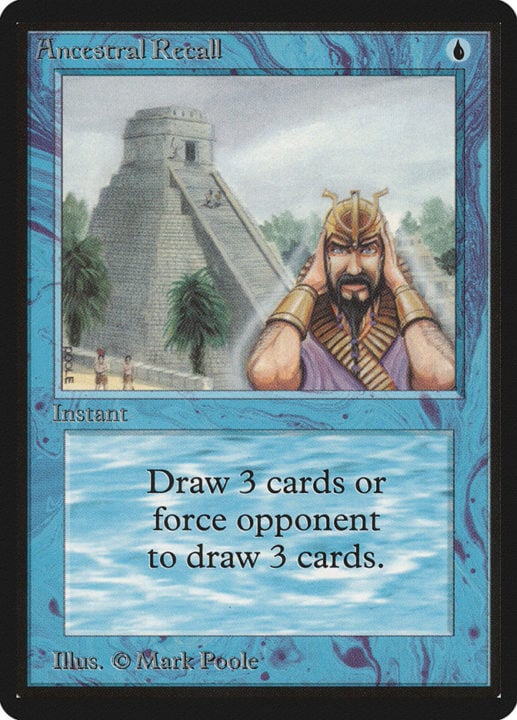
The secondary market value of cards serves equally an easy "bridge" from an outsider's view of the game to a more informed 1. Finding out which cards are the most valuable likewise tells you which cards are most important, and discovering what makes those cards worth their asking price is an easy style to sympathise which concepts are powerful and universal to the game of Magic.
Of course, it would be inefficient to utilise this space to list the top ten center-wateringly expensive cards when there'due south hundreds more than worth money that you might non even realize you have! So rather than catalogue every carte, I'll explain the different categories of coin cards, their approximate range of values, why they are valuable, and how probable y'all are to stumble beyond some in your collection.
A-B-U: THE GENUINE Article
Okay, allow's start with the real bargain! The bona fide coin cards. These are the famous prizes, the examples people probably think of when they imagine stupendously expensive Magic prices.
ABU is shorthand for Limited Edition Blastoff , Limited Edition Beta , and Unlimited : the first 3 print runs of the original Magic core ready created back in 1993. All three printings contain the same prepare of cards, with a few notable exceptions (Alpha is missing Circle of Protection: Black and Volcanic Isle due to printing errors).
If you're lucky plenty to have these cards, you lot can tell them apart by the outer borders. Blastoff and Beta cards have blackness borders, with Alpha cards having more than rounded corners than subsequent sets. Unlimited cards are white-bordered instead, with brighter, bolder colors than the later (slightly unlike) Revised core set.
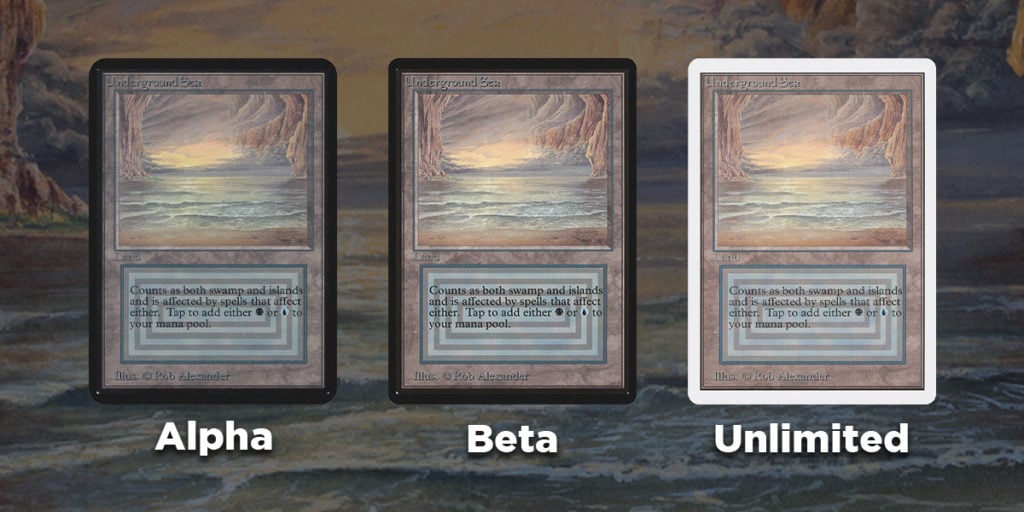
Each card from Alpha or Beta is worth some money, specially those that are powerful in-game or that take special nostalgic value, like fan-favorites Serra Angel and Shivan Dragon. Even the cheapest accept toll tags like Guardian Angel (Alpha printing = $vi.61, Beta = $three.62, Unlimited =$0.37). The deep value of Alpha and Beta is due to a combination of historical significance and scarcity.

The full impress run of Alpha was only 2.half dozen 1000000 cards. Beta, rushed to the printers subsequently the one-time sold out, totaled 7.eight 1000000. Unlimited was ordered after Wizards of the Declension realized they had a success on their easily, dwarfing the start two printings at 40 1000000 cards!
As the name implies, Unlimited was intentionally positioned equally less valuable and collectible, but information technology is still notable today for containing certain cards — 35 in all — which were removed from later printings of the core fix for beingness too powerful or otherwise problematic. These cards include the "Ability Nine" — Magic'south rarest and most powerful spells — as well as other highlights which would never be reprinted again.
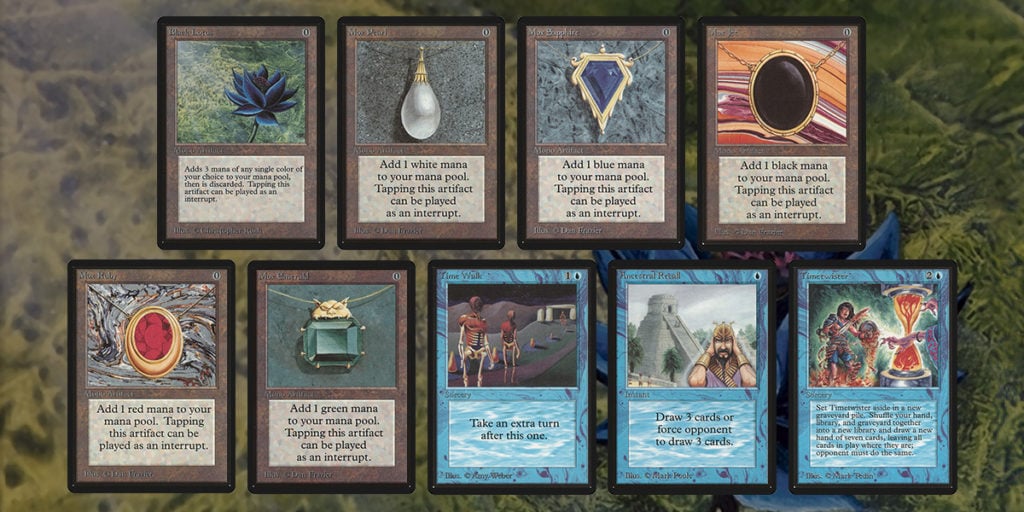
Plain, these exclusives command an impressive price even in their Unlimited printings. But proceed the quality of the specific cards you're dealing with in mind; it matters more than for ABU than anywhere else!
THE RESERVED List: VALUE GUARANTEED
The side by side virtually valuable category of cards belong to the other sets printed betwixt 1993 and 1996. The size of Magic print runs connected to increase afterward Unlimited, with releases from mid-1994 onwards beingness large enough that merely the hottest cards would concord significant long-term value. And so in mid-1995, Wizards released Chronicles, a "best-of" gear up which reprinted many rare cards from older, more than scarce expansion sets with a white border… and a massive print run.
While the intent of Chronicles was noble (allowing new players access to previously-released cards at a fair cost), there was a tremendous negative reaction from established players and collectors, who threatened to abandon Magic if Wizards destroyed the value of their collections with reprints. Wizards responded by creating a lengthy register of rare cards from existing sets and published it with a specific promise to never reprint those cards, nor to print similar cards which would supersede them in game.
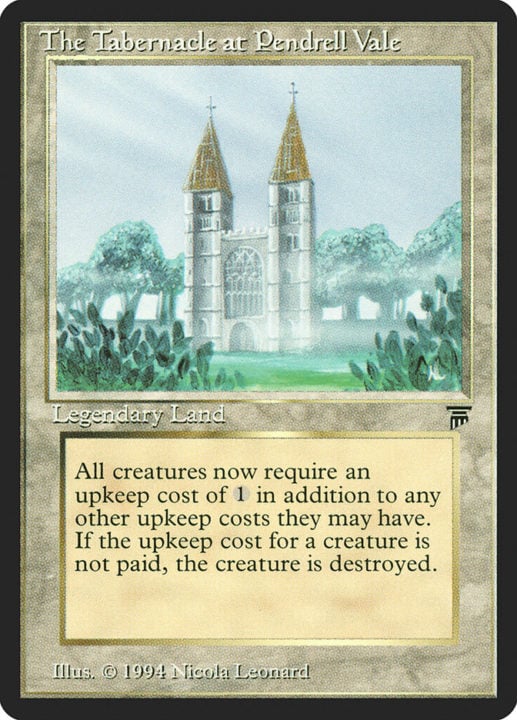
This "Reserved List" has loomed over the hobby since its inception in March 1996. Held to be legally binding and devastating should Wizards always modify or rescind it, the List guarantees artificial scarcity for each of its 571 cards. This has obviously led to significant, consequent price growth, as well as blunt attempts at market manipulation. Almost one-half the cards on the Reserved listing are worth upwards of $five; of those, 83 are worth more than than $l, and a handful of them, much more than.
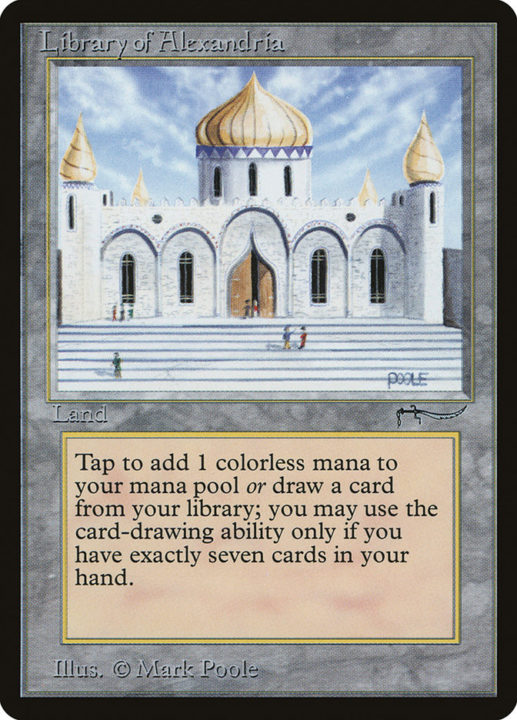
Aside from the ABU-sectional highlights mentioned to a higher place, this shortlist includes all-star cards from Magic's starting time few expansion sets: The Tabernacle at Pendrell Vale, Boutique of Baghdad, Library of Alexandria, Mishra's Workshop, Candelabra of Tawnos, Moat, The Abyss and Chains of Mephistopheles.
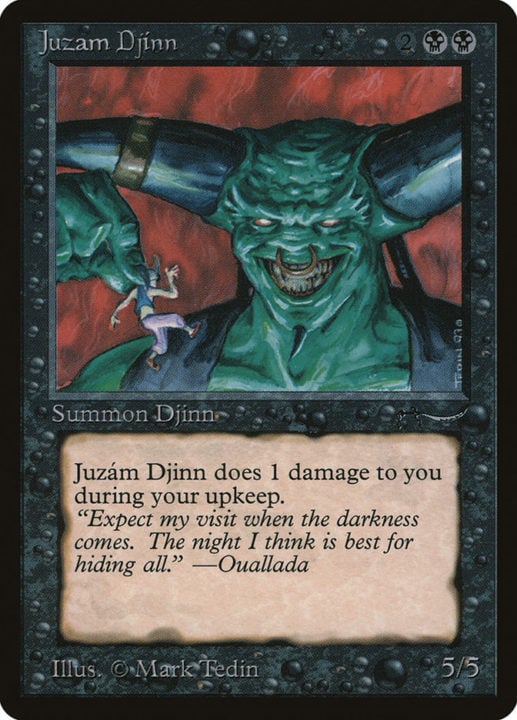
Another notable find that hangs around $g is the iconic Juzam Djinn. Powerful in its 24-hour interval, the monster hasn't quite kept up with the pace of tournament decks. Only it is quite important to fans of "Sometime School" tournaments: fan-run events which just allow cards printed in the first few years of Magic. (This also explains the demand for random Alpha and Beta cards.)
The final notable fix of cards from the Reserved List are the Dual Lands (or "Original Duals"). These powerful lands are an upgrade for almost any deck in Magic, and thus are in much higher demand than most Reserved List cards for tournament play.
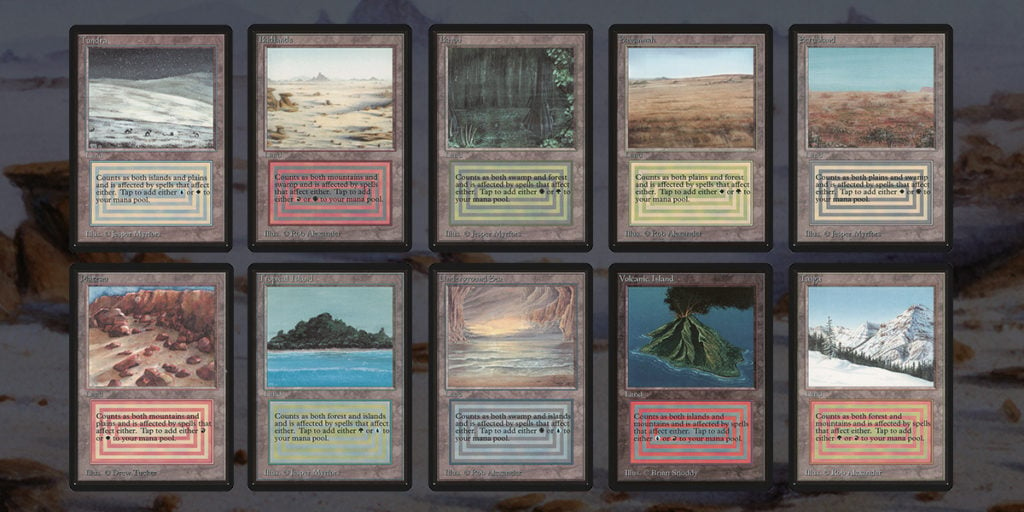
Despite existence printed in four different sets, this keeps the price of Dual Lands in step with Reserved List cards with much smaller impress runs. Their recognizable, blackness-bordered printings from Alpha and Beta command even better prices!
WILDCARDS: PROMOS AND SUPPLEMENTARY PRODUCTS
While Wizards did add together a few more sets to the Reserved List after its creation, the List hasn't grown since 2002. A fluctuating tournament metagame, generous modern print runs and the threat of sudden reprintings mean that collecting cards from this millennium is closer to day-trading than building a stable portfolio. The card prices and margins as well tend to be smaller, although availability allows for defended speculators to brand up for that by trading at scale online.
Opportunities for really big card prices now come from special promotional cards and "supplemental products" released in smaller print runs outside of the regular card sets. Of the promo cards worth over $100, the bulk are either special foil reprints issued every bit rewards to tournament judges for their work on the game, or extremely limited promos sold exclusively at San Diego ComicCon.

Miscut or misprinted cards are also quite impressively valuable within a niche subcommunity who collect them. Prices are hard to gauge and vary wildly based on individual gustatory modality, more like modern art than Magic cards in some means. In the almost famous and mind-boggling example, a Dutch player who opened a preconstructed deck in 2019 to find all 100 cards had been uniquely misprinted has been auctioning them off for an average of $2150 per carte.
The supplemental gear up known as Portal: Iii Kingdoms holds an ABU-like high cost on every card from common to rare due to niche availability. Printed to introduce Chinese audiences to the game, the cards feature characters from the Romance of the Iii Kingdoms. English versions of these cards were printed in very express runs for sale exclusively in Australia and New Zealand, making even common cards into notable collector pieces and pushing rares upward to hundreds of dollars.
NOT-Then-Basic LANDS
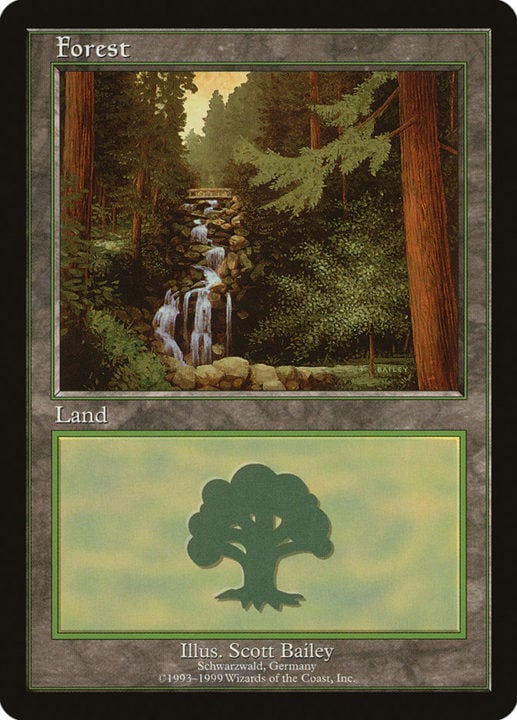
It's also worth singling out the "Guru Lands": a bike of basic lands adorned with matching, striking and distinctive artwork featuring sundial patterns. These were handed out as rewards through the "Guru" program to players who mentored novices to the game, and are at present the most prestigious versions available of Magic's nearly ubiquitous cards.
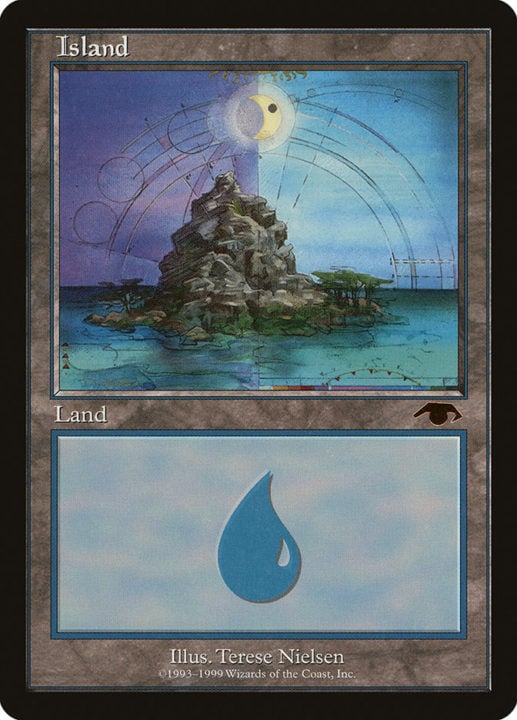
Other notable basics include the "Land Plan" series, featuring artwork depicting real-earth landmarks from around Europe and Asia ($twenty-$l each) and Approximate foil full-art basics. Certain foil basic lands tin also be worth a shocking amount, specially those which feature foiling on tiptop of the old-mode card frame — a combination which was only nowadays for a couple of years at the plough of the millennium.
A special mention must go to the card Mana Catacomb, which is a poster kid for valuable promos. Beginning released exclusively in a bundle with a Magic tie-in novel, the card institute increasing popularity in the burgeoning Commander format and became incredibly pricey. Information technology managed to receive two more promo reprints before finally sneaking into booster packs in the Eternal Masters and Mystery Booster supplemental sets. Those versions are worth a absurd $140, with the promos all fetching several hundred each.
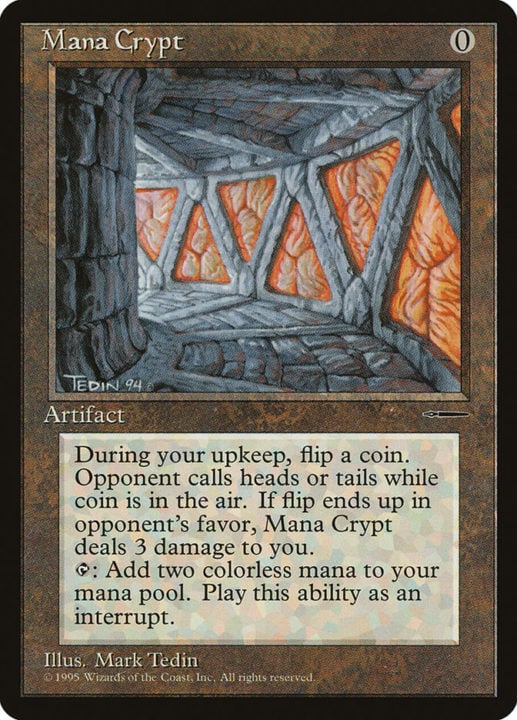
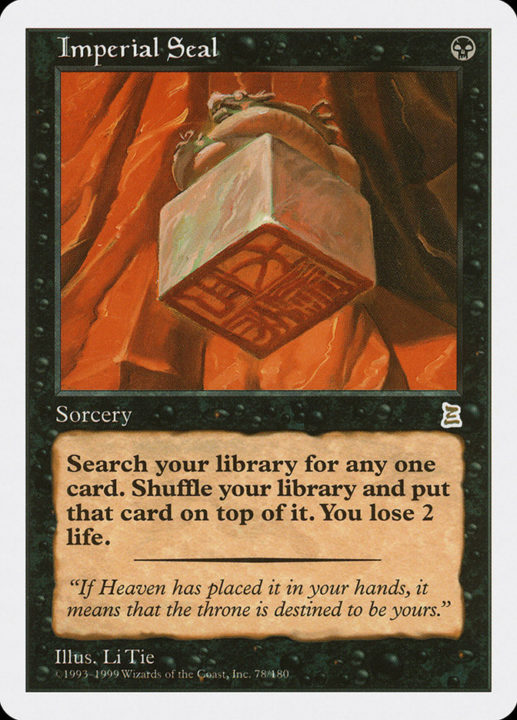
This combination of need and rarity makes Mana Crypt the quaternary-nigh-valuable carte outside the Reserved List, behind two cards from Portal: Iii Kingdoms (Imperial Seal and Zodiac Dragon) and one (Grim Tutor) which was exclusive to a detail 1999 starter deck.
EXPEDITIONS, MASTERPIECES, AND INVOCATIONS
In the last five years, Wizards experimented with a dissimilar method of distributing high-cease promo reprints: inserting them at random into booster boxes of electric current sets. Battle for Zendikar featured Expeditions — a set of foil, total-fine art promos featuring the most valuable non-Reserved land cards in Magic, each with new artwork. They were hugely sought later on, with most budgeted $100 in price and some reaching several hundred dollars.
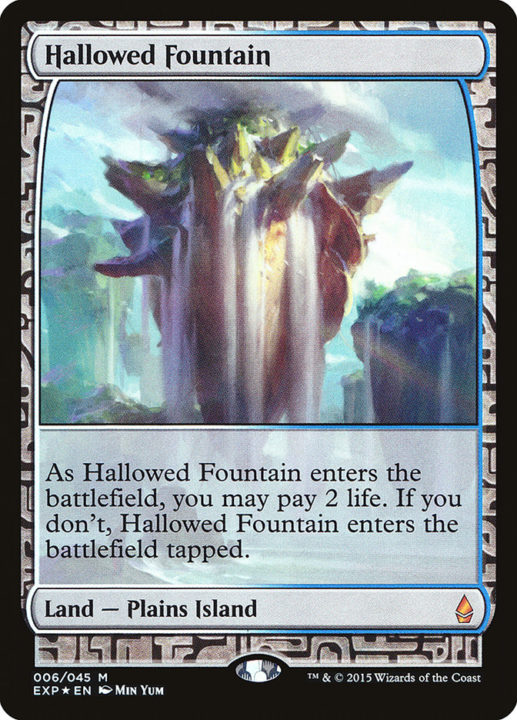
Kaladesh followed upward with the Masterpiece series, which gave a different but equally unique foil reprint handling to some of the game's most famous antiquity cards. Thirteen intermission the $100 mark and none are below $20, even those which were reprints from Kaladesh itself.
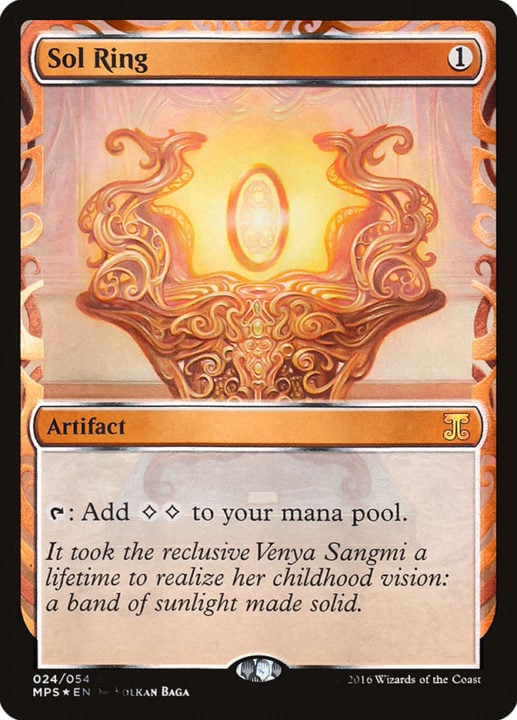
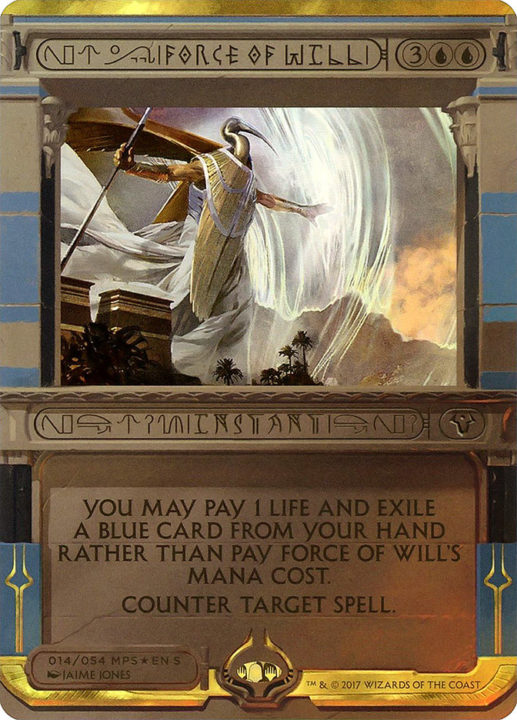
Finally, Amonkhet featured the Invocation promos. This selection of cards lacked a stiff theme, and the special visual presentation was not as well-received, as the faux-hieroglyphic font was very difficult to read. As such, their boilerplate toll is lower — but just slightly.
COLLECTING MY THOUGHTS
While many fans enjoy Magic every bit a game first and foremost, the collectible appeal of the cards translates well to a wide audience. Stories of super-valuable cards entice and entertain newcomers and tempt erstwhile-timers with the thought that somewhere under their bed could lurk hundreds of thousands in cardboard credit. For those looking to extract the most value from their past collection — or even buy their manner back into the game — the secondary marketplace is an essential pillar of the Magic hobby.
I would recommend the free Delver Lens app or a similar collection scanning app for any large-scale Magic trading. These let you use your phone photographic camera similar a barcode scanner, and will automatically identify your cards by name (and in many cases, set) before giving you up-to-appointment pricing guidelines. You tin can and then export your sell list or buy listing and email information technology to one of the large online vendors like CardKingdom.com.
Information technology's the fastest way to arm yourself with real information about what you might have to sell or buy without having to learn the history and culture of Magic. But if you're starting to go curious about that function afterward all, then watch this infinite. Side by side calendar week, I'll assist address some of the near misunderstood and vital decisions made at the offset of every Magic career!

Tom's fate was sealed in 7th grade when his friend lent him a pile of eatables to play Magic. He speedily picked upward Boros and Orzhov decks in Ravnica block and has remained a staunch white wizard ever since. A fan of all Constructed formats, he enjoys studying the history of the tournament meta. He specializes in midrange decks, especially Death & Taxes and Martyr Proc. One solar day, he swears he will win an MCQ with Evershrike. Ask him how at @AWanderingBard, or sentry him stream Magic at twitch.tv/TheWanderingBard.
Source: https://blog.cardkingdom.com/how-much-are-your-magic-cards-worth/
0 Response to "What Size Is the Art on a Magic Card"
Post a Comment